%20--%3e%3csvg%20version='1.1'%20id='Layer_1'%20xmlns='http://www.w3.org/2000/svg'%20xmlns:xlink='http://www.w3.org/1999/xlink'%20x='0px'%20y='0px'%20viewBox='0%200%2055%2055'%20enable-background='new%200%200%2055%2055'%20xml:space='preserve'%3e%3cpolygon%20fill='%23FFFFFF'%20points='4,0%2052,27.5%2045.8,31.1%2010.3,10.8%2010.3,44.4%2031.3,32.2%2012.1,21.3%2012.1,14%2043.5,32.3%204,55%20'/%3e%3c/svg%3e) ProGamer
ProGamerEdifier, Creative, and Microlab: The Battle of a Decade — Choosing PC Speakers
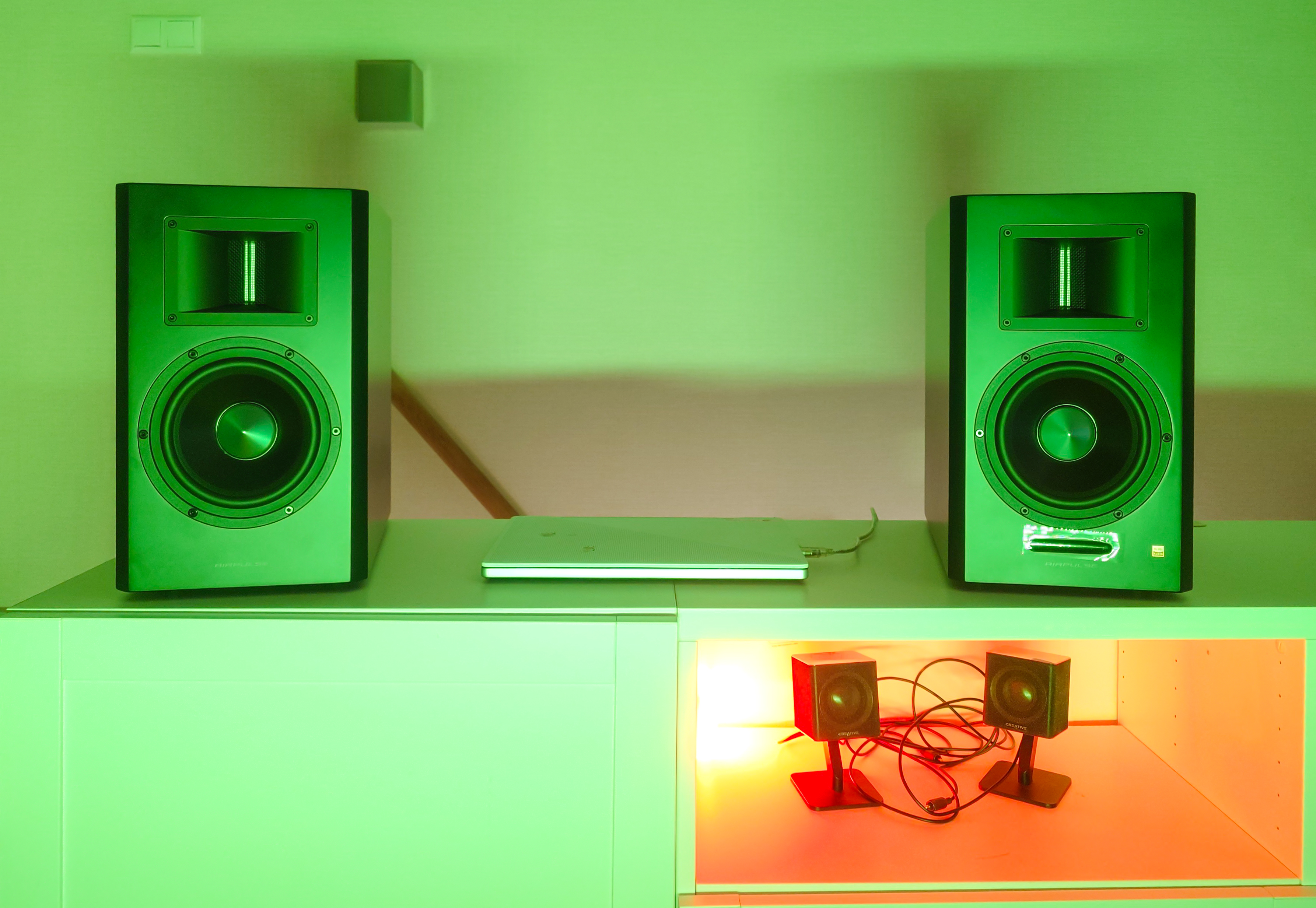
Over the past 10–15 years, the PC speaker market has changed beyond recognition.
Edifier has surged forward, successfully moving into the mid–hi-fi segment. Creative Technology, once dominant in the late ’90s and early 2000s, went through a decline and made several attempts to adapt to a shifting market. Microlab, once a strong player, has almost disappeared from the radar — despite attempts to relaunch through new distributors in 2025.
Everything has changed.
What Happened?
Creative: Still Around, but Niche
In the PC audio category, Creative’s most popular products today include the compact Pebble (USB-powered), the GigaWorks lineup, and various soundbars. Still, the company remains a niche player, with less than 5% of the PC speaker market.
Why?
- Pressure from adjacent segments. Studio monitors and content-creation gear have become more attractive. In the era of streamers and bloggers, “working with sound” sells.
- Shift from PCs to mobile devices. Many users moved to smartphones and tablets, prioritizing wireless headphones and portable speakers instead.
- Low barrier to entry in manufacturing. Chinese production has made it easy for virtually anyone to launch a brand. And it’s not just established names like Sven or Xiaomi — countless no-name brands are flooding the budget segment.
- China changed the game. Mass production has made near-Hi-Fi sound affordable. That’s exactly where the most interesting modern brands now compete.
Creative actually had a strong shot back in 2012 with its modular Dxm series — expandable speakers that could auto-connect and calibrate. A brilliant idea: solve placement issues and let users scale their setup. Need more sound? Just add another module.
The problem? Price. The system never gained traction.
At the same time, Creative released the T4 — a fantastic, self-contained system that needed no tweaking. Interestingly, Creative avoided publishing official power specs, focusing instead on the listening experience.
So why did it disappear?
Simple: value for money. For the same ~$300–$450, users could buy a massive, powerful Microlab 5.1 system instead of two small satellites and a subwoofer.
Microlab: Saving Pennies, Losing the Future
Microlab is a private company, so there are no public financial reports. But indirect signs — market exits, outdated websites, minimal media presence, weak marketplace visibility — point to declining sales and shrinking market share.
By the end of 2020, Microlab had effectively left many countries (with only partial comeback attempts since then).
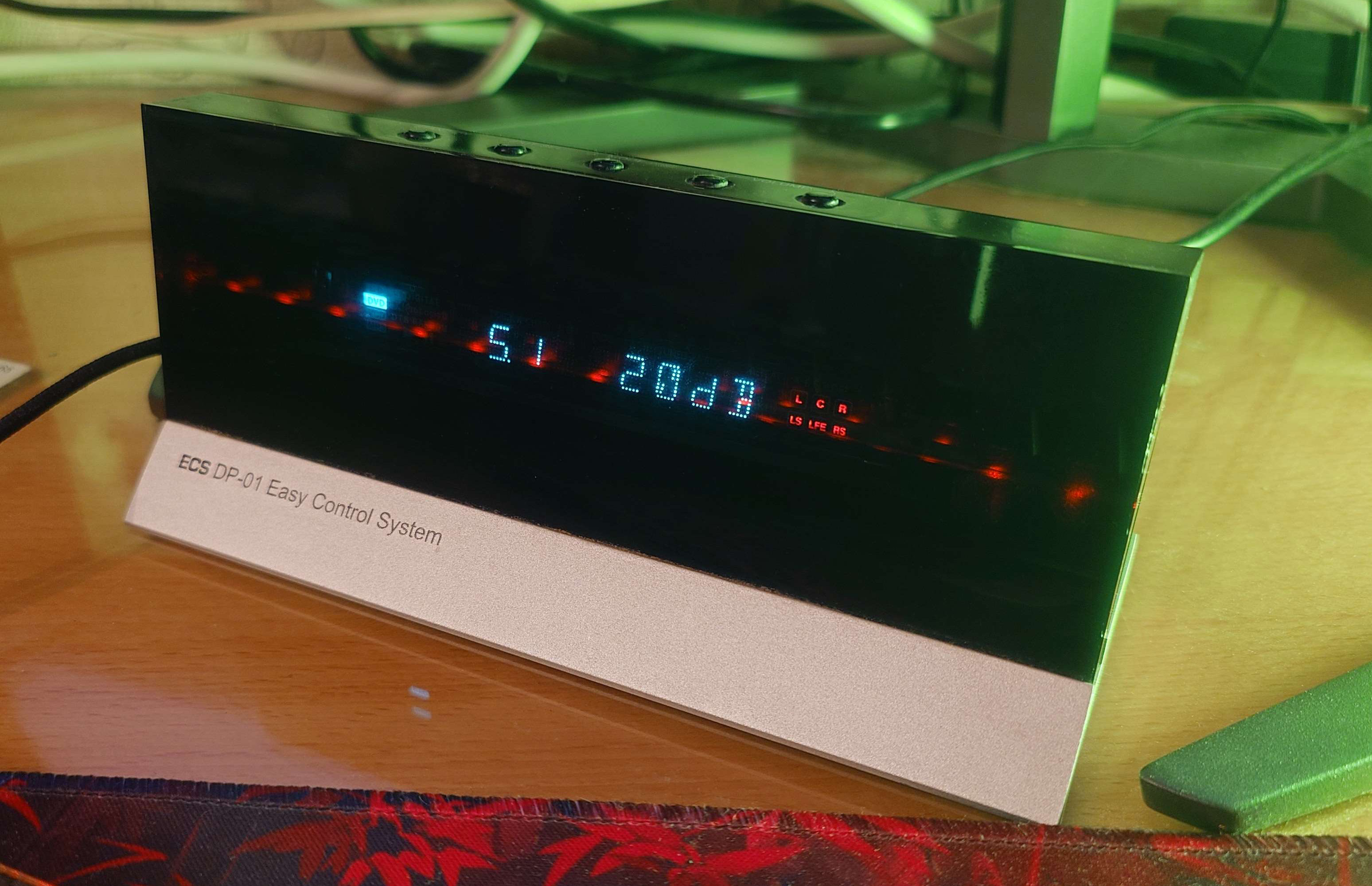
Ten years ago: ECS DP-01 control unit was a common sight on gamers’ desks
The Microlab H500 (H-500D, H510, etc.) is a perfect case study: a budget system with huge potential. But the manufacturer cut corners where it mattered most — sound quality. Tiny savings on components significantly reduced the listening experience.
Out of the box, they were good. But with some modifications? Incredible.
I discovered this by accident — when my speakers broke and I had to get them repaired.
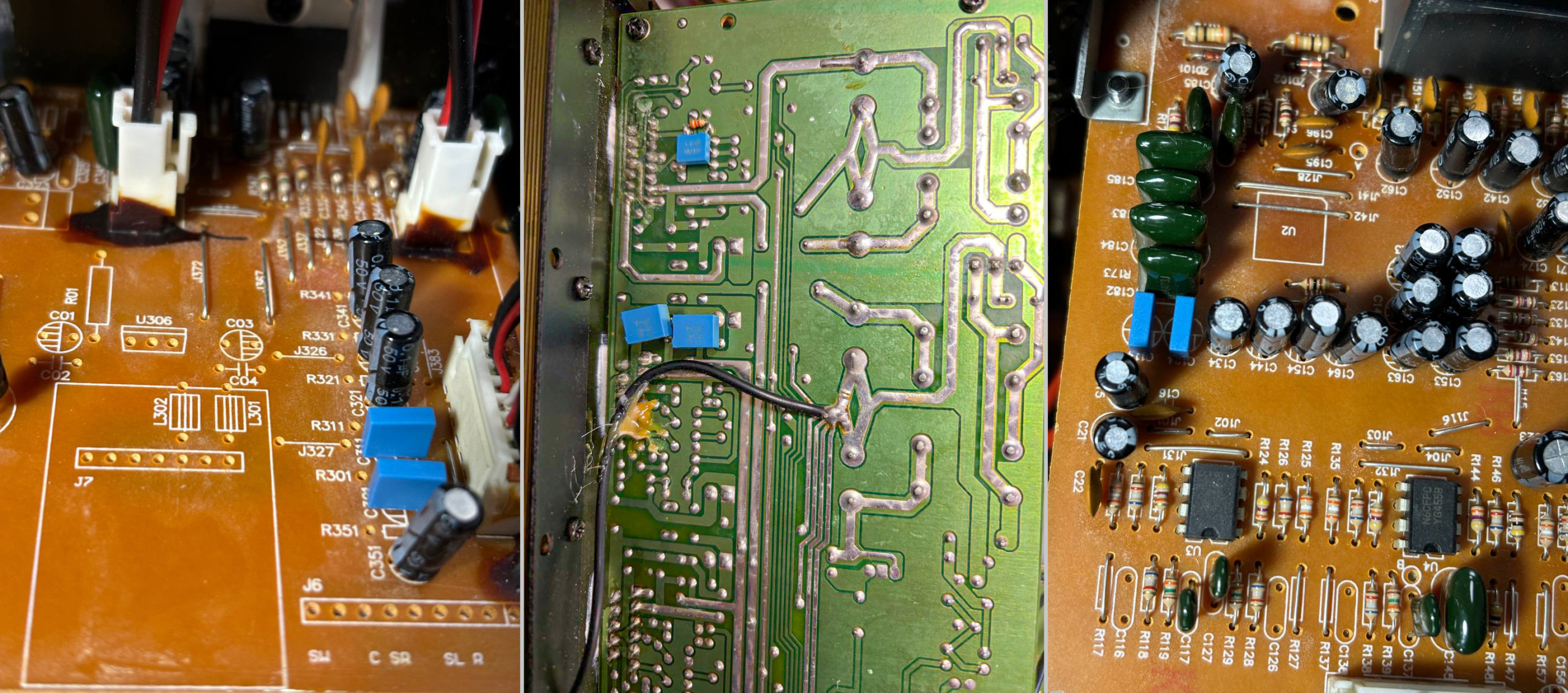
Audio enthusiasts have documented the process in detail:
- Replace capacitors with film capacitors
- Upgrade to metal film resistors
- Rework internal wiring
If you don’t want to DIY, a professional mod costs relatively little — and the result is shocking. These speakers can sound far better than expected.
The difference is so dramatic that Microlab could have become legendary: delivering cheap, high-quality sound.
And in audio, sound is the best marketing.
Enter Airpulse
With Creative and Microlab no longer offering compelling options, the question becomes: what should you buy today?
Here are brands delivering noticeably better sound for the money:
- Creative T100 sit comfortably in the sub-$150 category. Just don’t pay more than that — they’re not worth a higher price.
- SteelSeries Arena 9, Arena 7, and Arena 3 are probably the only modern PC speakers from a major brand that bring back the feel of those classic computer speaker systems everyone used to have. Still, they’re difficult to recommend: there can be a slight background hiss, and the price is hard to justify.
- Hivi Swan – ribbon tweeters in the D100 for around $200? Yes, really. Or Edifier M90?
- Klipsch – the R-51PM competes with Edifier S3000Pro, with cleaner sound (though less bass).
- ARGON – the FENRIS A5 MK2, rated at 320W. Are they really loud?
- JBL – surprisingly limited lineup, but models like the 305P MkII stand out.
- Pioneer – the DJ DM-50D-BT arrives in three boxes, while Airpulse ships in two. Curious.
And finally:
- Edifier Airpulse – ribbon drivers, highly detailed and balanced sound, and near-zero background noise. The downside? Price.
Which brings us to the key point:
People just want good sound. Despite the overwhelming number of options, choosing has become harder than ever. Most modern speakers are compromises, often falling short of the best designs from past decades. Meanwhile, the price ceiling has quickly shifted from $500 to around $1000 — and even at that price, perfection isn’t guaranteed.
Airpulse A300: Still “Just” PC Speakers?
And for many, the focal point of interest today is Airpulse — a premium active speaker line from Edifier. The Airpulse A300 (yes, technically still Edifier) is expensive, bulky — and incredibly clean and responsive. Yet it’s still a “computer speaker” system with USB connectivity.
On paper, the A300 delivers 160W RMS, which may seem lower than competitors. But power isn’t the same as loudness — and in practice, these speakers get very loud.
Interestingly, this might explain why Creative once avoided publishing specs: great drivers speak for themselves.
Some quirks:
- The Airpulse A300 are precise like a scalpel, but they don’t deliver much low-end. There’s also no subwoofer output, which makes them less than ideal for movie watching
- Sub support exists on smaller models like A100 and A80. Consider alternatives like the Edifier S360DB (a 2.1 system)
There’s also the A300 Pro, which offers more low-end — but at a steep price (~$1695) for a similar overall sound signature.
The Problem with Being Too Good
Airpulse speakers have a strange “flaw”:
They’re too good.
You’ll hear new details in your favorite tracks and movies — but also all the flaws sound engineers left behind. Even Creative’s best systems tend to smooth those over.
Another issue with the A300:
They’re technically bookshelf/desktop speakers — but they shine at a distance.
Up close, they’re fine. But ideally:
- Use a large desk (2 meters or more)
- Or better yet, place them on stands
- Position them away from walls, along the longer side of the room
In other words: treat them like proper hi-fi speakers.
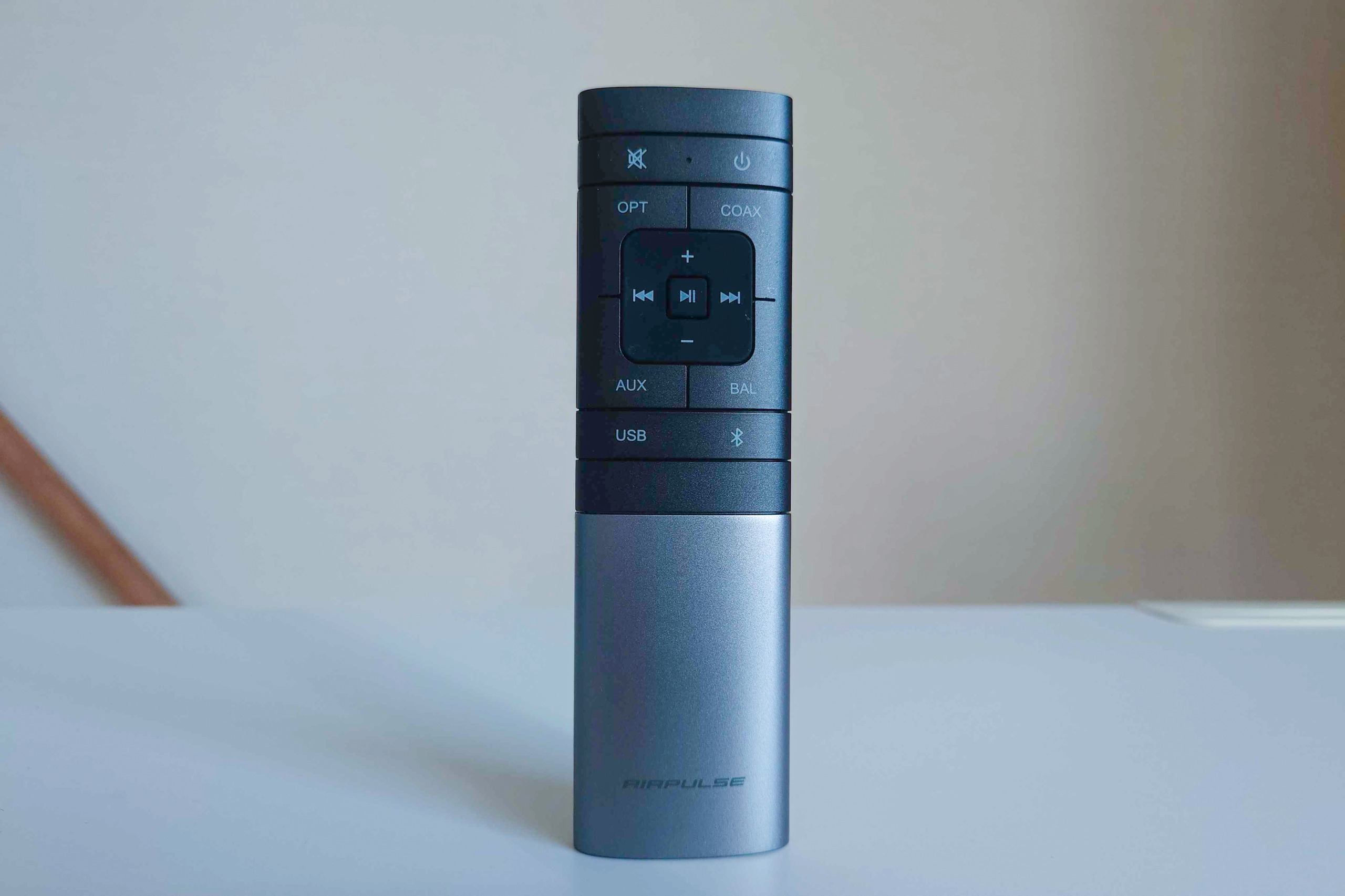
What If You Don’t Have $1000+?
Airpulse isn’t cheap:
- A80 starts around $500+
- A300 can reach $1000+
But Edifier’s more affordable lineup is still excellent:
- S880DB MKII
- R1280DB
- S2000MKIII
These models consistently top marketplace charts and dont fall far behind Airpulse in sound quality. Some people even prefer them.
Final Thoughts
Creative and Microlab failed to maintain a balance between their legacy and evolving market trends. Their window of opportunity is likely gone for good.
Meanwhile, Edifier — and especially its Airpulse line — is on the rise.
And the real question is:
Are you really ready to spend $1000 on PC speakers?
Notes
* How to choose speakers? Frequency response graphs and microphone recordings online are often misleading. I had the chance to listen to many models in person — and that made all the difference.
** Not sponsored. All speakers were purchased with my own money. No affiliation with Edifier.